

Canada's Divorce Act May Be Changing: What Separating Parents in Ontario Need to Know in 2026
A plain language look at Bill C-223 and what it could mean for separating parents and the family home in Mississauga, Oakville, Milton and across GTA West.
Published May 14, 2026 · 8 min read
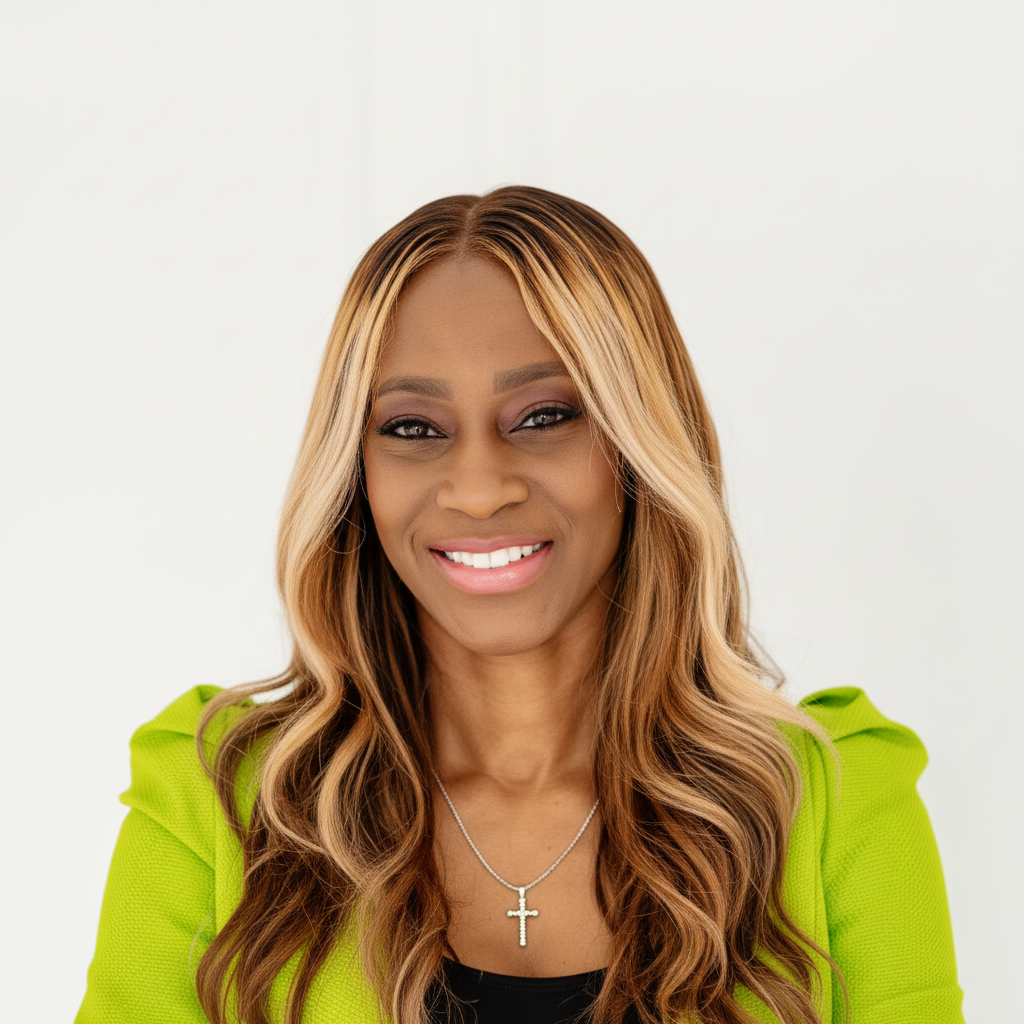
Written by Michelle Heron
Real Estate Professional | eXp Realty
Serving Mississauga, Milton and GTA West
Michelle Heron helps homeowners navigate life transitions such as divorce, downsizing, and selling the family home with thoughtful staging and strategic marketing.
Quick Answer
Bill C-223 is a federal bill introduced in January 2026 that proposes changes to Canada's Divorce Act. It would require lawyers to screen for family violence and coercive control, give children clearer ways to share their views with a judge, and reject any automatic assumption of equal shared parenting when safety is a concern. It is not law yet. It passed second reading and is in committee review.

If you are going through a separation or divorce right now, or you are trying to figure out what comes next, there is something worth knowing about. In January 2026, a federal bill called Bill C-223 was introduced in Parliament. It proposes real changes to how divorce cases involving children and family violence are handled across Canada, including right here in Ontario, Mississauga, and across GTA West. It is not law yet. But it is moving forward, and understanding what it means can help you feel a little less lost in the process.
And yes, I know. The last thing you need right now is more confusing legal information. So let me break it down the way I wish someone had done for me.
What Is Bill C-223?
Bill C-223 is a private member's bill introduced by Liberal MP Lisa Hepfner. It went to second reading in the House of Commons on January 28, 2026, and was sent to a parliamentary committee for further review in February 2026.
In plain terms, this bill is asking the Canadian legal system to look more carefully at what is actually happening inside families when couples split up, especially when children are involved and when one partner has been controlling the other in ways that do not always leave visible marks.
The Divorce Act is federal law, which means it applies to married spouses seeking a legal divorce anywhere in Canada, including Ontario. So if you are going through a divorce and dealing with parenting disputes or concerns about your safety or your children's safety, this proposal is directly relevant to you.
For a deeper look at the current Divorce Act and how it is structured, the Department of Justice Canada has the full text available online.
Coercive Control Is Finally Being Taken Seriously
Here is something a lot of people do not fully understand, and I will be honest, I did not either until I started learning more about it. Abuse in a relationship does not always look like what we see in movies.
Coercive control is a pattern of behaviour that can include monitoring your messages or your location, controlling your access to money, isolating you from your friends and family, constant humiliation or criticism, and using fear to manage how you behave. It is deeply harmful. And under the current Divorce Act, courts do not always have a clear framework for recognizing it as the serious issue it is.
Bill C-223 would change that. It would require lawyers involved in divorce cases to screen for family violence and coercive control. It would also push judges to look at patterns of behaviour, not just isolated incidents of physical violence.
For separating spouses in Mississauga, Oakville, Milton, and the rest of GTA West, this is meaningful. A lot of people going through difficult separations have been told that unless there is a police report or a documented physical assault, it does not count in court. This bill is directly pushing back on that idea.
Your Kids May Have More of a Say Than You Think
Another important piece of this proposal is about children and how their voices are heard when parents cannot agree on parenting arrangements.
Right now, when a family goes through a divorce and there are disputes about where the children will live and who makes decisions for them, kids' views can be considered. But they are often represented indirectly, through a lawyer or a court-appointed assessor, rather than directly to a judge.
Bill C-223 would create clearer, more direct ways for children to share their perspective with a judge as part of the process.
This does not mean your child would get to decide where they live. Children should not have to carry that weight. What it means is that their experience and what they actually want would have a clearer, more formal place in the legal process. That feels right to me.
What About Equal Shared Parenting?
This one comes up a lot in conversations I have with clients. There is a belief in some circles that divorce law should default to 50/50 shared parenting unless there is a very specific reason not to. Bill C-223 pushes back on that idea when safety is a concern.
The bill would reject any automatic assumption that equal shared parenting is the right answer in cases where there is evidence of family violence, coercive control, or safety risks involving either the children or a former partner. The best interests of the child would come first, full stop.
That seems like a reasonable place to land.
Is This Already the Law? Not Quite.
I want to be clear on this because there has been a fair bit of confusion in online conversations. Bill C-223 is a proposal. It is not law yet.
As of spring 2026, the bill has cleared second reading in the House of Commons and moved to committee review. Before it can actually become law in Canada, it would still need to complete committee review, a report stage, third reading in the House, Senate review, and then Royal Assent. That is a process that takes time and is not guaranteed.
But the fact that it is moving forward at all tells you something important about where the legal conversation around divorce and family safety is heading in this country. You can track the bill's progress on the Parliament of Canada website.
Why This Still Matters If You Are Already Mid-Separation
You might be reading this and thinking, okay, but I am already in the middle of everything. What does a bill that is not even law yet have to do with my situation right now?
Fair question.
Understanding the direction the law is moving can help you have better, more informed conversations with your own lawyer. It can help you recognize that if you have been dealing with patterns of control in your relationship, there is a growing formal recognition in the legal community that what you experienced is real and it matters. You are not imagining it. You are not being dramatic.
It also matters when it comes to the home. I work with people going through separation and divorce in Mississauga, Oakville, Milton, and across GTA West, and I see every day how the legal decisions, the emotional weight, and the practical real estate questions all land on people at the same time. They are not separate things. They are all part of the same very hard chapter.
If you are trying to figure out what happens to the house and whether you even have a say in the matter, I wrote about that specifically for Ontario homeowners. Can one spouse refuse to sell the house in Ontario? It is one of the most common questions I get, and the answer is more nuanced than most people expect.
And if you want a place to start that is not overwhelming, I put together a free guide for people navigating real estate during separation. Plain language, practical, no fluff. It is free and it is a good first step.
Common Questions, Honest Answers
Is Bill C-223 already law in Canada?
No. As of spring 2026, it has passed second reading and been referred to committee for study. It still needs to complete committee review, report stage, third reading, Senate review, and Royal Assent before it becomes law. It is moving forward, but it is not there yet.
What happens to the family home when you are going through a divorce in Ontario?
The family home is typically considered a matrimonial home under Ontario law, meaning both spouses have equal rights to stay in it during the marriage. What happens next depends on whether you can agree on a sale, whether one spouse wants to buy the other out, and sometimes whether a judge needs to get involved. I work through exactly this kind of situation with clients in Mississauga, Oakville, Milton, and GTA West. Grab my free guide for a plain-language starting point.
What does coercive control actually mean in a legal context?
Coercive control refers to a pattern of behaviour designed to dominate, isolate, or create ongoing fear in a partner or family member. It can include controlling your finances, tracking your messages or movements, keeping you away from people who support you, and using threats or humiliation to keep you in line. Bill C-223 would require lawyers and courts to look at these patterns, not just isolated physical incidents.
A Note From Me
I am not a lawyer. I want to be really clear about that. If you are going through a separation or divorce and need to understand how any of this applies to your specific situation, please talk to a family law lawyer in Ontario. What I bring to the table is something different: the real estate side of things, the emotional side, and the practical experience of having been through a major life transition myself and coming out okay on the other side.
I have sat across the table from people who were scared, exhausted, and not sure what their next step was. I have also seen those same people, a few months later, walking into something that felt genuinely like a fresh start. That is possible. It really is.
If you are trying to figure out what comes next for your home, whether that means selling, staying put for now, or something in between, I would love to help. You do not have to have it all figured out before you reach out. That is literally what I am here for.
Start with the free guide if that feels like the right first step. Either way, you are not doing this alone.
Keep Reading
About Michelle Heron
Michelle Heron
Salesperson | Heron Real Estate | eXp Realty Inc., Brokerage
Michelle Heron is a real estate professional and certified home stager serving Mississauga, Milton, and GTA West. She specializes in helping homeowners navigate major life transitions including divorce, downsizing, and empty nesting with compassion, expert staging, and strategic marketing.
Let's Talk
If you are navigating separation or divorce and wondering what to do with the family home, I would love to have a no pressure conversation.
Book a Confidential ChatThinking about selling during a divorce or separation? Talk to Michelle about your options, no pressure, just support.
Divorce and separation help in MississaugaRelated Posts
Separation Agreements in Ontario
What the agreement needs to say before the house can be sold.
Read the articleWho Gets the Pets in a Divorce in Ontario?
How Ontario law treats pets when a household separates.
Read the articleWho Gets the House in a Separation in Ontario?
Sell, buy out, or stay: how the decision usually gets made.
Read the article