

Can One Spouse Refuse to Sell the House in Ontario?
What to know when one person will not agree to sell the family home.
Published April 27, 2026

Written by Michelle Heron
Real Estate Professional | eXp Realty
Serving Mississauga, Milton and GTA West
Michelle Heron helps homeowners navigate life transitions such as divorce, downsizing, and selling the family home with thoughtful staging and strategic marketing.
Quick Answer
Yes, one spouse can refuse to sell the matrimonial home in Ontario, but that refusal does not always last forever. Both spouses have rights, and when agreement is impossible, a family law lawyer can help apply for a court order to move the sale forward.
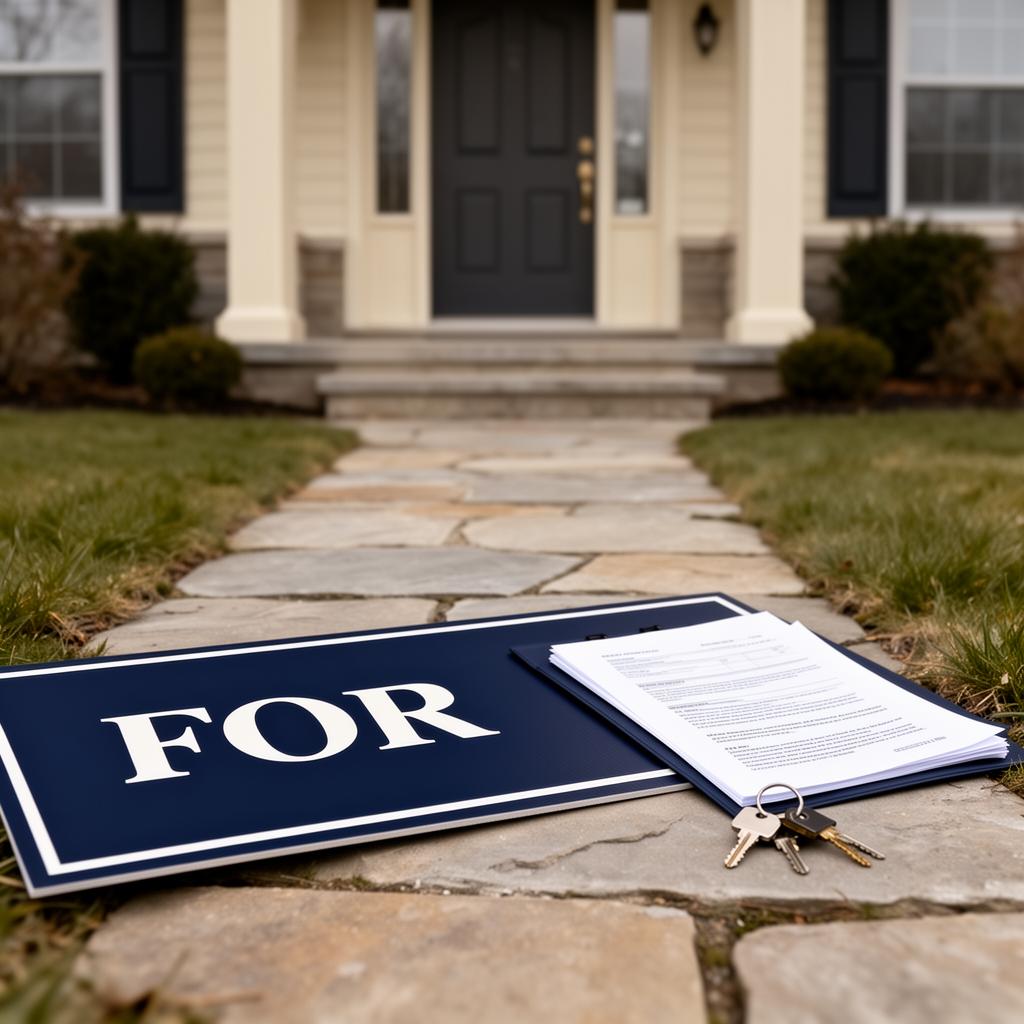
If you and your spouse cannot agree on what to do with the family home, you are not alone. One of the most common questions separating couples ask is whether one person can simply refuse to sell. The short answer is yes, one spouse can refuse. But that refusal rarely holds up forever. Ontario law gives both parties rights, and there are legal paths forward even when communication has completely broken down.
Here is what you need to know.
Both Spouses Have Rights to the Matrimonial Home
Under the Family Law Act of Ontario, the matrimonial home holds a special legal status. Even if only one spouse is on the title, both spouses have an equal right to possession of the home during the marriage and during separation. That means one spouse cannot simply lock the other out, sell the property without consent, or make major decisions about it unilaterally.
This protection works both ways. It protects the spouse who is not on title from being displaced. But it also means that the spouse on title cannot sell the home without the other spouse signing off, no matter how long the separation has dragged on.
What Happens When One Spouse Refuses to Agree?
When one spouse will not consent to a sale, the other spouse has legal options. The most common route is to bring a court application asking a judge to order the sale of the property. Courts in Ontario have the authority to do this under the Family Law Act and the Partition Act.
A judge can order the home to be listed for sale even if one spouse refuses. In most cases where both parties have an ownership interest in the property, courts will grant this order unless there are very compelling reasons not to, such as the needs of dependent children in the short term.
Going through the courts takes time and money. It can add months or even years to an already difficult process. That is why reaching an agreement outside of court, through negotiation or mediation, is almost always the better path. If you are still trying to understand your first steps, my Free Ontario Divorce Home Selling Guide can help you organize what matters before the conversation gets more complicated.
Common Reasons a Spouse Refuses to Sell
Understanding why a spouse is refusing can sometimes open up a path forward. Common reasons include:
- They want to stay in the home and believe they can afford to buy out the other spouse.
- They are using the home as leverage in negotiations over other assets or support payments.
- They are hoping the market will improve and want to wait.
- They are emotionally attached to the home, especially if children are involved.
- They simply do not want to make things easier for the other spouse.
Knowing the reason does not always solve the problem, but it can help you and your legal team figure out the right approach.
Options If Your Spouse Refuses to Sell
You have a few different directions you can take depending on your situation:
Negotiate directly or through lawyers. If both parties are willing to communicate, even minimally, a negotiated separation agreement is the fastest and least expensive path.
Try mediation. A neutral third party mediator can help both spouses work through disagreements about the home without a courtroom. Mediation is often faster and far less costly than litigation.
Apply for a court order. If all else fails, your family law lawyer can bring a court application to force the sale. This is the longer road, but it is a real option and courts do grant these orders.
Explore a buyout. If one spouse wants to keep the home, they may be able to buy out the other spouse's share. This requires a proper valuation of the property and the other spouse qualifying for a new mortgage. Learn more in our post on buying out your spouse's share of the house in Ontario.
What This Means Practically If You Are Trying to Move Forward
A refusal to sell does not have to mean you are stuck. It means the process takes longer and likely requires legal support. The key steps are to get a family law lawyer involved early, document all communication, and understand what the home is actually worth so you are negotiating from a position of knowledge.
Getting an independent home valuation from a realtor who understands separation sales in Ontario is a smart early step. It removes the guesswork and gives both parties a clear, neutral number to work from. You can also download the Free Ontario Divorce Home Selling Guide if you want a calmer framework for the home decisions ahead.
You Do Not Have to Figure This Out Alone
Selling a matrimonial home during separation is already emotional. When one spouse is refusing to cooperate, it can feel completely overwhelming. At Calm Moves, I work with separating homeowners in Mississauga, Milton, Oakville, and GTA West who are navigating exactly these situations. My job is to give you clarity on the home so you can make informed decisions and move forward with confidence.
If you would like a no-pressure conversation about where things stand with your home, I am happy to help. Reach out anytime at MichelleHeron.ca.
Frequently Asked Questions
Can my spouse sell the house without my signature in Ontario?
No. Under the Family Law Act, both spouses must consent to the sale of the matrimonial home, regardless of who is on title. A sale completed without that consent can be challenged in court.
How long can a spouse delay the sale of a house in Ontario?
There is no set time limit, but a refusal to sell can be addressed through the courts. If one spouse applies for a court order to force the sale, the process typically takes several months to over a year depending on the complexity of the case and how backlogged the courts are.
What is the Partition Act in Ontario and how does it apply to divorce?
The Partition Act allows co-owners of a property, including spouses, to apply to the court to have the property sold or divided. In separation cases, courts generally favour ordering a sale over physically dividing a home, so in practice this means a judge can order the home listed and sold even if one party refuses.
Does it matter whose name is on the title in Ontario?
Not as much as most people think. Both married spouses have an equal right to possession of the matrimonial home regardless of who is on title. This is unique to the matrimonial home under Ontario law and is different from how other jointly owned properties are treated.
Can I force a sale of the house if my spouse will not agree?
Yes, you can apply to the court for an order to force the sale of the home. Courts in Ontario will generally grant this order when both spouses have an interest in the property and cannot agree. Speaking with a family law lawyer is the right first step.
Related Articles
About Michelle Heron
Michelle Heron
Salesperson | Heron Real Estate | eXp Realty Inc., Brokerage
Michelle Heron is a real estate professional and certified home stager serving Mississauga, Milton, and GTA West. She specializes in helping homeowners navigate major life transitions including divorce, downsizing, and empty nesting with compassion, expert staging, and strategic marketing.
Want Clarity Before You Make the Next Move?
If you are navigating a separation in Mississauga, Milton, Oakville, or GTA West, you do not have to figure out the home alone. I can help you understand the property side clearly and calmly. You can also start with the Free Divorce Home Selling Guide before booking a call.
Book a Confidential ChatThis blog is for informational purposes only. Please connect with a licensed Ontario family lawyer for legal advice specific to your situation.
Thinking about selling during a divorce or separation? Talk to Michelle about your options, no pressure, just support.
Divorce and separation help in MississaugaRelated Posts
When Your Spouse Refuses to Sell the Matrimonial Home
Your options in Ontario when one signature is holding everything up.
Read the articleSeparation Agreements in Ontario
What the agreement needs to say before the house can be sold.
Read the articleWho Gets the House in a Separation in Ontario?
Sell, buy out, or stay: how the decision usually gets made.
Read the article